In 2025, international sanctions and corporate disputes are no longer exceptional events. They have become structural forces shaping the operational continuity of energy and extractive companies.
When a shipment becomes a geopolitical risk
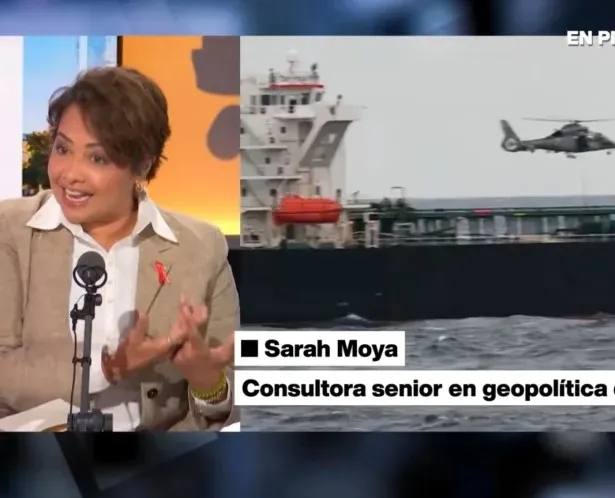
A vessel stranded for months, caught between conflicting sanctions and governance disputes, illustrates the vulnerability of logistics chains. Direct financial losses reached tens of millions, but the real cost lay in operational paralysis and uncertainty for partners. Such blockages prove that sanctions management is not an abstract legal exercise: it is a variable capable of halting core business activity.
Reference data: the domino effect on global trade
According to an Allianz study published in May 2025, nearly 60% of global exporters expect a decline in activity linked to growing trade tensions. The average export payment delay has risen to 70 days, up from 60 previously. In some sectors, such as chemicals and metals, delays stretch to 90 days. Default risks, already elevated in 2024, now affect almost 48% of international trade flows.
These figures confirm what real cases reveal: sanctions, disputes, and trade fragmentation slow down, increase the cost of, and destabilise operations.
From defensive compliance to strategic compliance
Compliance is too often viewed as a bureaucratic burden. In reality, it is a license to operate. Companies that anticipate sanctions scenarios, integrate regulatory constraints into financial models, and establish channels with regulators not only reduce exposure but also gain agility.
Three implications for companies
- Expand risk mapping: beyond legal analysis, include scenarios of logistical blockages, payment delays, and fragmented flows.
- Institutionalise geopolitical monitoring: boards must track sanction developments and their indirect effects on supply chains and financing in real time.
- Turn compliance into a lever: transform a regulatory obligation into a governance and negotiation tool that secures continuity in unstable environments.
In short, in a world where sanctions reshape the rules of trade, compliance is no longer a cost. It has become the strategic backbone that allows companies to safeguard assets and preserve decision-making capacity in a fragmented environment.